Home again
We are back from our Field Trip to Trinidad.
It always takes me some time to collect my thoughts after I get back home.
There is a lot to process.
When I was thinking about what I would share here, I decided I didn’t want to record journal entries of what we did each day, though it was tempting. I wanted to try and distill what touched me most deeply.
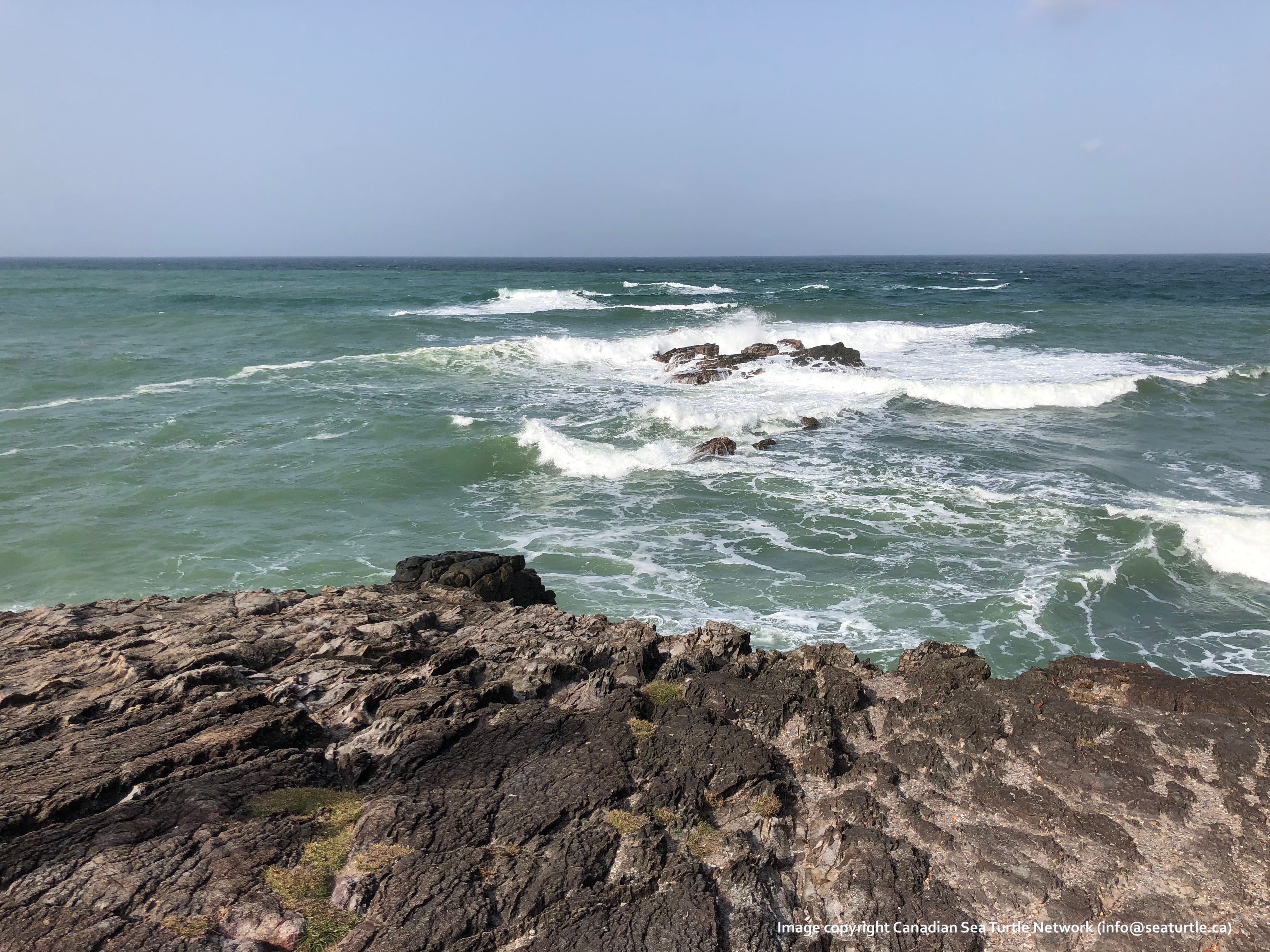
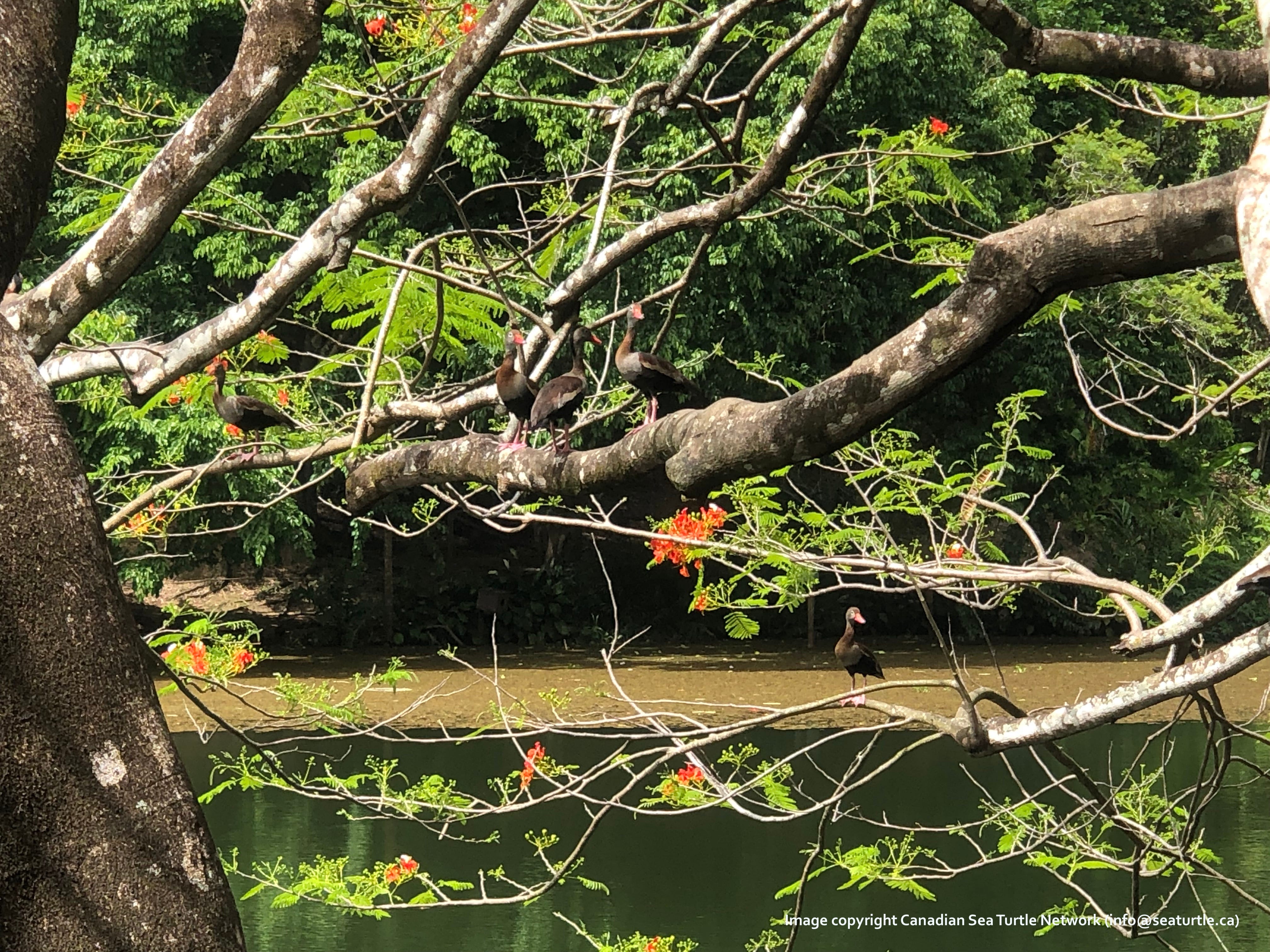
For me, what is special about the trip isn’t just the collection of outings, as wonderful as they were. For example, on Bush Bush Island we saw a howler monkey and her baby—orangey-red and curious—moving from one treetop to the next before settling and watching us. We kayaked through mangroves and ran our hands along the incredible walls of abandoned termite mounds. We spent time at Galera Point where the blue-green Caribbean Sea meets the steely-grey Atlantic Ocean, their colours distinct like personalities. We saw ducks that whistled and slept in trees. We sucked on cocoa seeds straight from the pod and chewed strips of sugar cane.
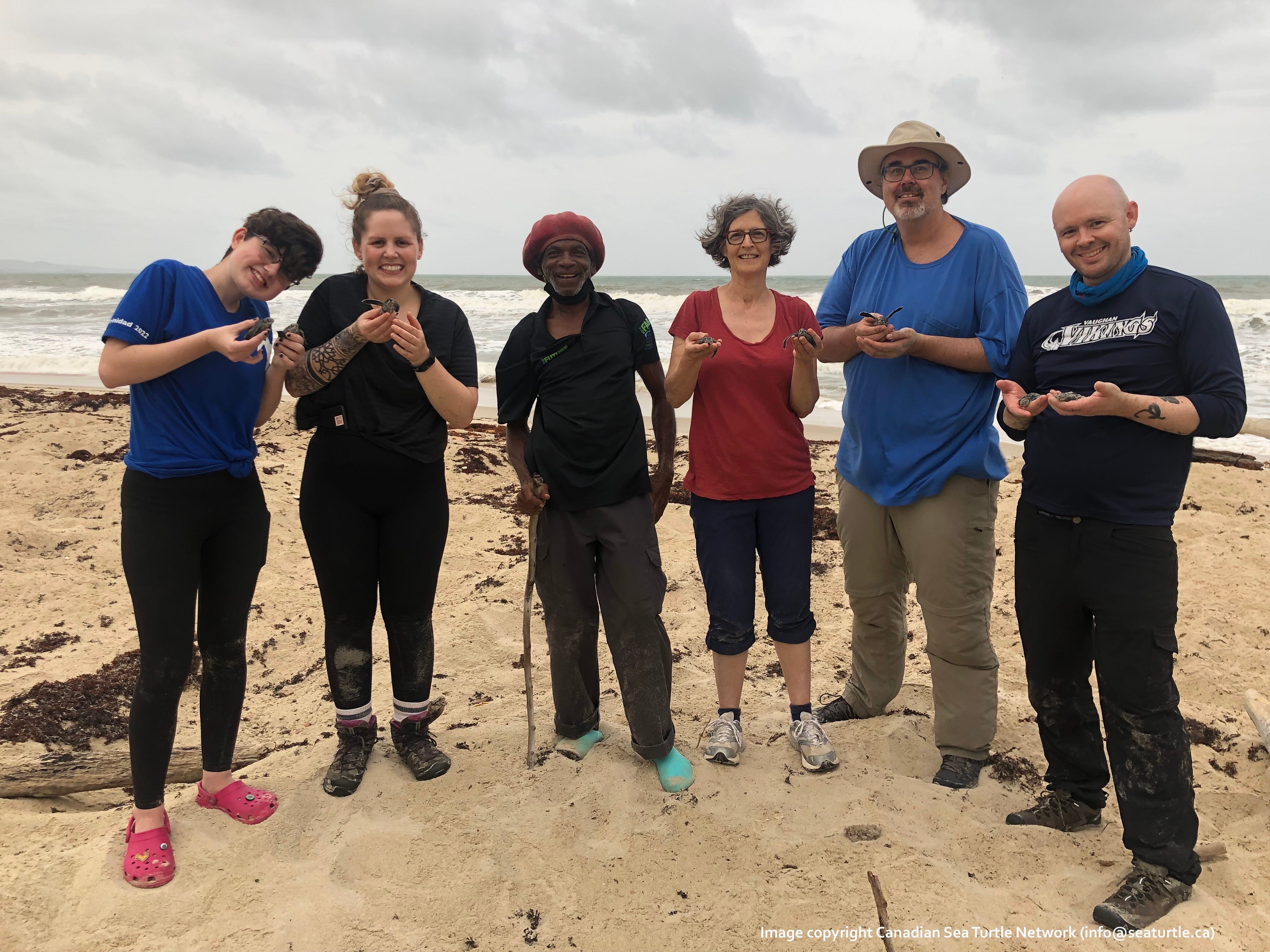
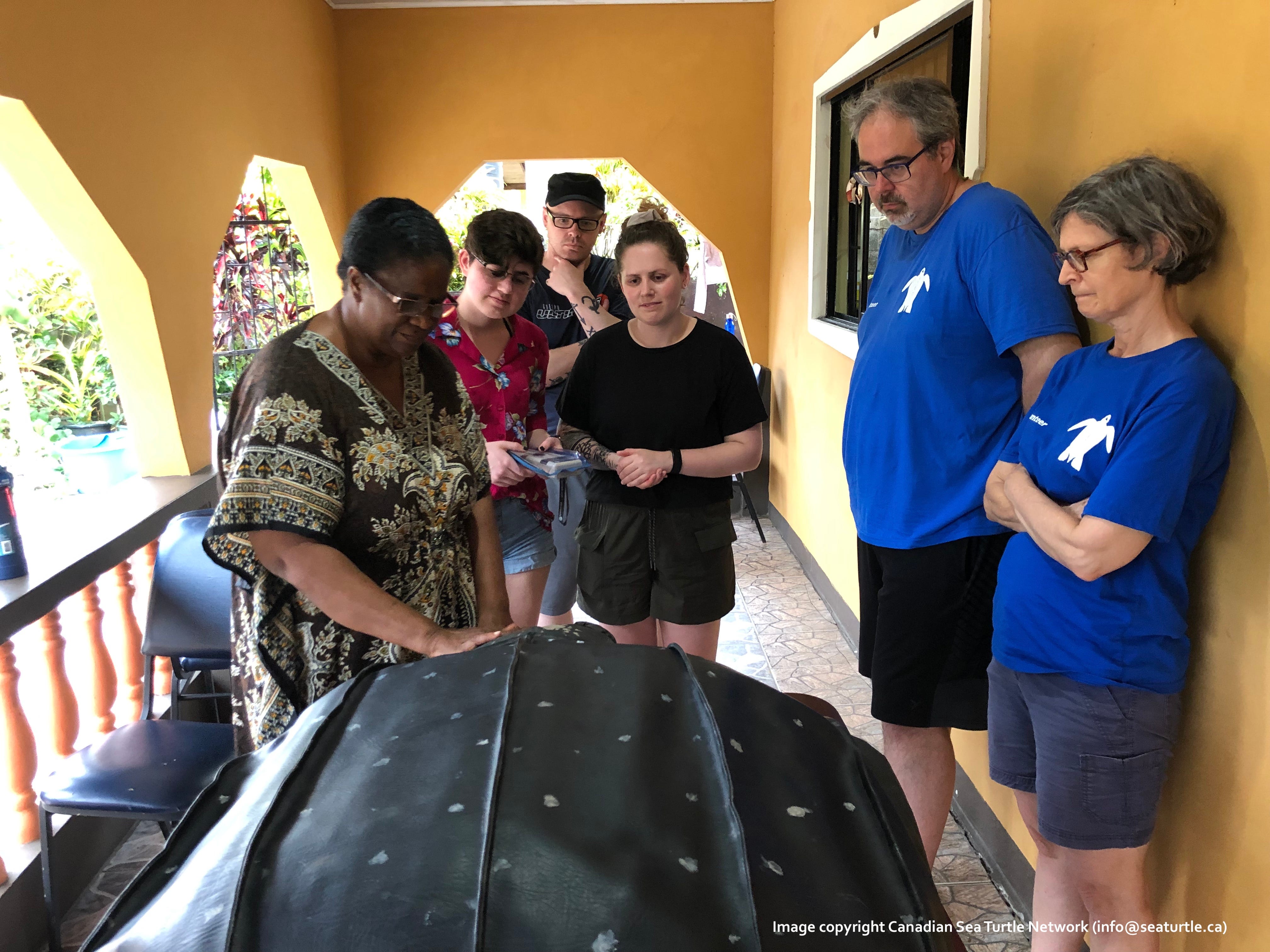
It is more even than the leatherbacks (and one hawksbill!)—as magnificent as they are and as happy as I was to see them again after so many years away because of Covid. It is such a privilege to kneel close to a sea turtle as she lays her eggs in the sand near the crashing surf—to try to help keep her safe through the work we were doing on the nesting beach. And—on our last windswept afternoon—the incredible experience of digging through the remains of a recently-hatched leatherback nest to rescue eight struggling hatchlings, exhausted and stuck, suffocating in sand packed over them by their siblings as they scrambled out. To rub the length of their bodies gently with our thumbs until they started to move again and then to set them on the beach and watch them scramble into the sea.
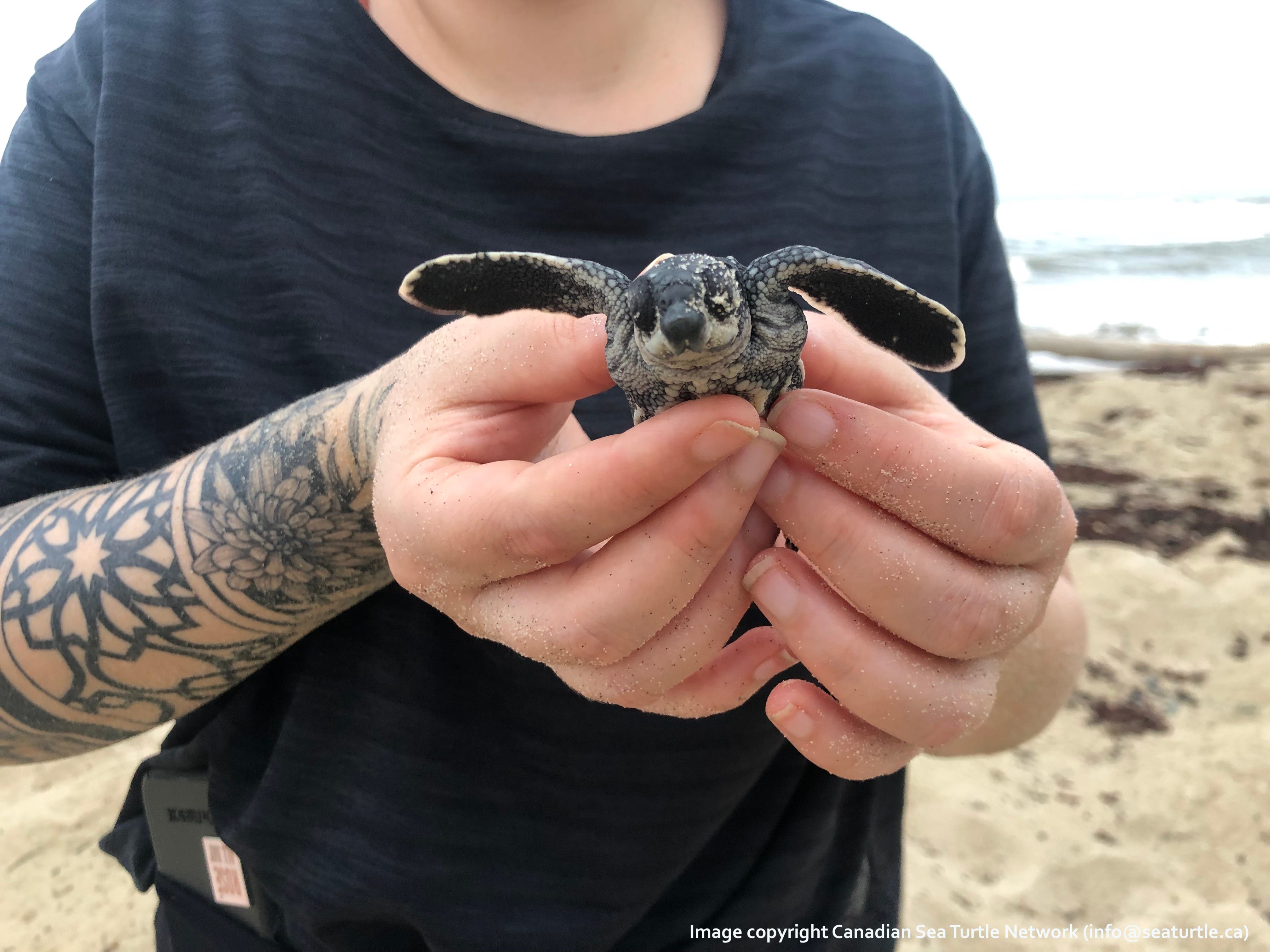
I think the magic for me of our Field Trip is watching our volunteers transform. The way they start out with trepidation the first nights on the beach, nervous around the turtles and unsure of what they can contribute—and become increasingly, palpably confident, collecting data and tagging the turtles with the ease and joy that come from knowing both what you are doing and the deeper meaning behind why.
There is a change in how the volunteers walk the beach by the end of our trip—the way they keep their knees soft to account for the ways leatherbacks roil the sand into waves that you cannot see at night. The way they can spot the surf breaking over a turtle at the edge of the tideline in limp moonlight—and have memorized which bulky masses are fallen tree trunks masquerading as turtles in the dark.
I love witnessing how our volunteers—strangers to one another to start—become friends. How within a few days they laugh easily over jokes and develop a shared vocabulary of experience. How the dinner table is increasingly populated with people from Nature Seekers joining us for meals. How there is a camaraderie that develops amongst us all—Canadians and Trinidadians—born of intention, but also of hours of walking and talking at night on the beach and time sitting on the guest house porch in the sun listening to the (ever) crowing roosters and calling birds.
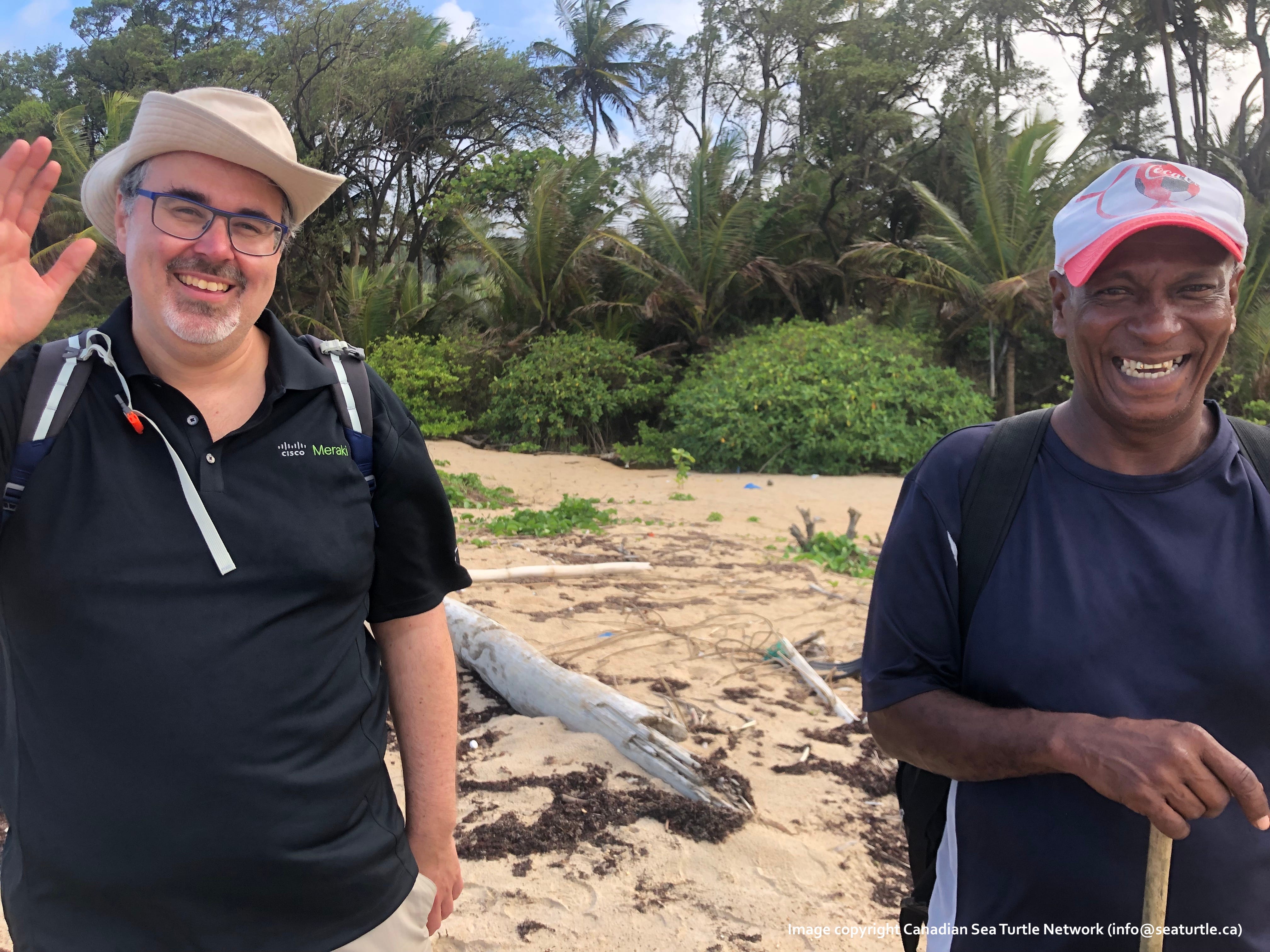
On the Field Trip, I see humanity at its best. The beauty of it leaves a mark.
I love that it is leatherbacks—just doing what they’ve been doing on beaches for thousands of years—that bring us together. I love how we all travelled to Trinidad to help the leatherbacks, but once we we’d arrived and stayed a few nights, it was easy to see how the leatherbacks also helped us.